Cold Chain Storage in Saudi Arabia: A 2026 Business Guide
Cold chain storage in Saudi Arabia has become a make-or-break factor for any business that handles perishable goods. From fresh dairy in Riyadh to imported seafood arriving through Jeddah’s port, temperature-sensitive products lose value the moment they drift outside their safe range. In a climate where summer highs regularly pass 45°C, keeping food and pharmaceuticals cold is not a luxury. It is the difference between a healthy margin and a written-off shipment.
This guide explains how modern cold storage works, how to choose the right temperature tier, and how growing companies in the Kingdom can protect stock without buying their own refrigerated warehouse.
Why Cold Chain Storage Matters More in the Kingdom
Saudi Arabia imports a large share of its food, and Vision 2030 has pushed food security and logistics to the top of the national agenda. When a truck of frozen chicken sits in the heat for even an hour, bacterial growth can begin. When vaccines warm up, they can lose potency entirely.
A dependable cold chain keeps products inside a controlled band from the moment they arrive until they reach the shelf. Break one link and the whole chain fails. That is why businesses increasingly outsource storage to specialists rather than gamble on aging in-house freezers.
The three temperature tiers explained
- Ambient: room-temperature goods such as canned food, grains, and packaged dry goods.
- Chilled: typically 0°C to 8°C for dairy, fresh produce, and many medicines.
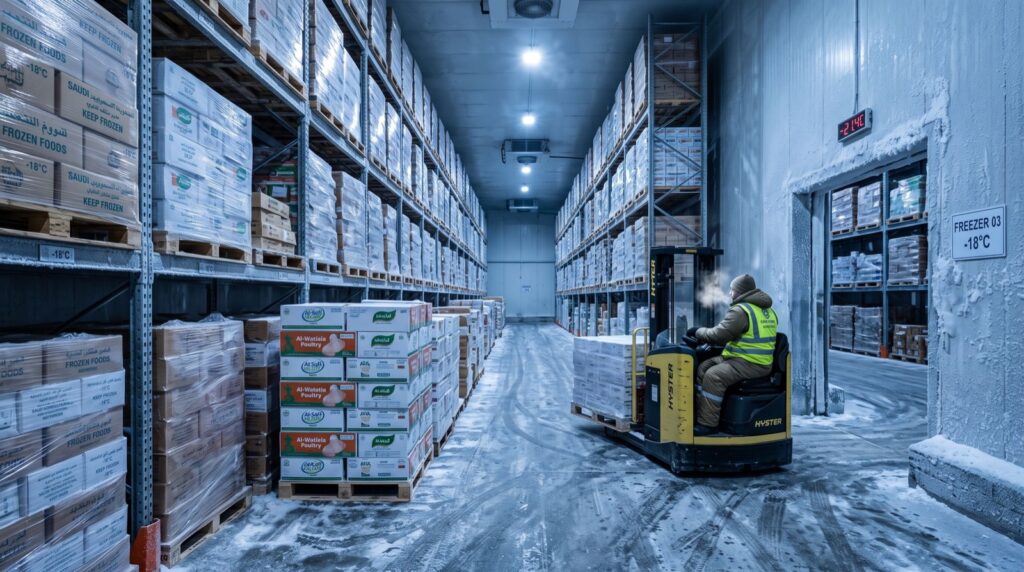
- Frozen: usually -18°C or colder for meat, seafood, and ice cream.
Choosing the wrong tier is expensive. Storing chilled goods in a frozen room can crack packaging and ruin texture, while storing frozen goods too warm invites spoilage. Facilities offering reliable Chilled Storage let you match each product to its exact climate band.
Comparing Storage Tiers for Perishable Goods
| Tier | Typical Range | Best For | Key Risk if Wrong |
|---|---|---|---|
| Ambient | 15°C to 25°C | Dry goods, canned items | Humidity damage |
| Chilled | 0°C to 8°C | Dairy, produce, medicine | Spoilage, mould |
| Frozen | -18°C or colder | Meat, seafood, ice cream | Bacterial growth on thaw |
According to guidance from the World Health Organization on cold chain management, consistent temperature monitoring is the single most important safeguard for sensitive products. That principle applies just as much to a Jeddah restaurant’s frozen inventory as it does to hospital medicine.
How to Choose a Cold Storage Partner
Not every warehouse that advertises refrigeration is equal. Before signing a contract, work through a short checklist so you avoid surprises later.
- Temperature logging: Ask whether the facility records temperatures 24/7 and can share reports.
- Backup power: A generator that kicks in during outages protects your stock during the Kingdom’s peak summer load.
- Zoning flexibility: You may need chilled space this month and frozen space next season.
- Hygiene standards: Confirm regular cleaning schedules and pest control.
- Location: Proximity to ports and highways cuts transit time and heat exposure.
Businesses moving seafood or ice cream through the western region often pair chilled space with dedicated Frozen Storage in Jeddah so both product types stay in their ideal zone under one roof. Working with quality service providers also matters when you need goods transported between facilities without breaking the temperature chain.
What does cold chain storage cost in 2026?
Pricing depends on volume, temperature tier, and how long you store goods. Frozen space costs more than chilled because it demands more energy. Most providers in 2026 offer flexible monthly plans, so a small business can rent a single pallet position rather than commit to a whole room. Always ask whether handling, loading, and monitoring are included or billed separately.
Practical Tips From the Warehouse Floor
Over years of handling perishable inventory, a few habits consistently prevent losses:
- Label every pallet with a receiving date and rotate stock on a first-in, first-out basis.
- Pre-cool delivery trucks before loading to avoid a temperature spike at the door.
- Group fast-moving items near the entrance to shorten door-open time.
- Keep a written recovery plan in case a freezer fails, including who to call and where to move stock.
These small disciplines add up. A single mishandled shipment of frozen shrimp can wipe out the savings of an entire quarter, so process discipline pays for itself quickly.
Industries That Depend on Cold Chain Storage
Cold storage is not only for supermarkets. Across the Kingdom, a surprising range of sectors relies on unbroken temperature control to operate at all. Understanding who uses it helps clarify why demand keeps rising through 2026.
- Food service and hospitality: hotels and restaurants in Riyadh and Jeddah hold large frozen and chilled inventories to serve consistent menus year-round.
- Healthcare and pharmacy: clinics and distributors store vaccines, insulin, and biologics that fail if they warm even slightly.
- Online grocery: rapid-delivery apps depend on chilled hubs positioned close to customers.
- Catering and events: bulk pre-prepared meals must stay frozen until the day they are served.
- Import and export traders: seafood, meat, and dairy arriving through Jeddah need cold buffer space before onward distribution.
Each of these sectors shares one requirement: consistency. A freezer that drifts by a few degrees overnight can quietly compromise an entire pallet, and the damage may not be visible until a customer complains. That invisible risk is exactly why outsourcing to a monitored, professionally managed facility has become the norm rather than the exception.
Seasonal demand and planning ahead
Cold storage demand in Saudi Arabia is not flat across the year. Ramadan, the summer travel season, and major holidays all create sharp spikes in food volume. Smart operators reserve extra chilled and frozen capacity weeks in advance rather than scrambling when every facility in the city is full. Booking early also tends to secure better rates, because last-minute space during peak weeks commands a premium.
The lesson from years on the ground is simple: treat cold storage capacity as a forecast, not a reaction. Map your busy periods on a calendar, estimate the extra pallets you will need, and lock in space before the rush. Businesses that plan this way avoid both spoilage and the stress of hunting for freezer room at the worst possible moment.
Frequently Asked Questions
What is the difference between chilled and frozen storage?
Chilled storage keeps products between roughly 0°C and 8°C for items like dairy and produce, while frozen storage holds goods at -18°C or colder for meat, seafood, and ice cream. The right choice depends entirely on the product’s safe temperature range.
Can a small business rent cold storage in Saudi Arabia?
Yes. Many facilities now offer pallet-level or shelf-level plans, so a small café or online grocer can rent only the space it needs and scale up during busy seasons without a long lease.
How is temperature monitored in a cold storage warehouse?
Modern facilities use digital sensors that log temperatures around the clock and trigger alerts if a room drifts out of range. Reputable providers can share these logs so you have proof of compliance for audits or customers.
Why is backup power important for cold storage?
Power outages during peak summer heat can spoil an entire inventory within hours. A facility with automatic generators keeps refrigeration running, protecting your stock and your reputation.
Conclusion
Reliable cold chain storage in Saudi Arabia protects both product quality and profit. By matching each item to the correct temperature tier, insisting on 24/7 monitoring, and partnering with a facility that offers backup power and flexible plans, businesses can grow with confidence. Whether you need chilled, frozen, or ambient space, choose a partner that treats your inventory as carefully as you do and your cold chain will stay unbroken from port to plate.